Research
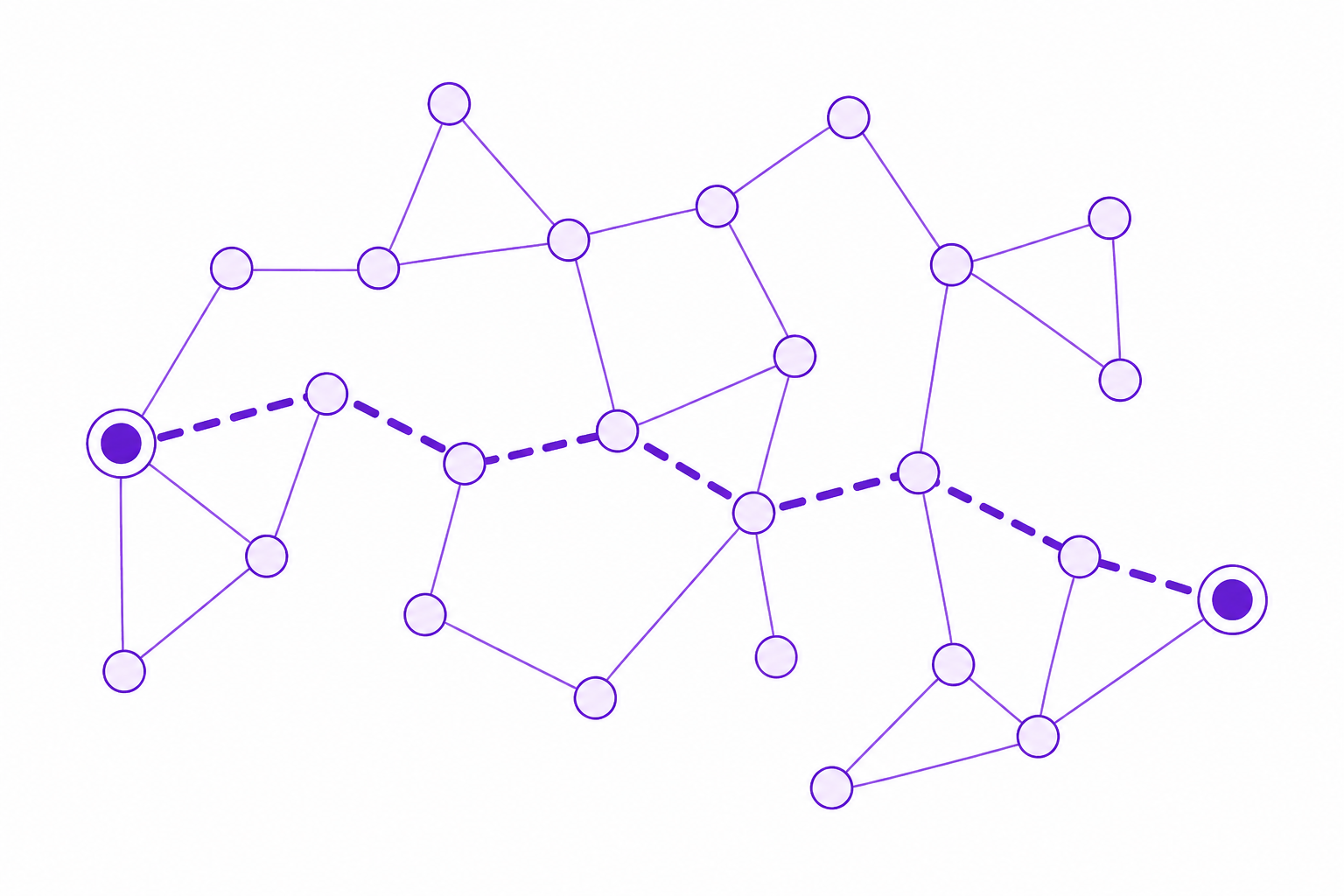
My research focuses on dynamical processes on complex networks and higher-order structures. I am especially interested in how network topology, geometry, and many-body interactions shape collective behavior, robustness, critical phenomena, and inference problems.
Higher-order percolation and dynamics
Higher-order interactions can turn classical percolation into a genuinely dynamical process. My work studies how triadic interactions, hyperedges, and simplicial structures change phase transitions, generate oscillations or chaotic behavior, and produce time-varying connectivity patterns.
Related work: triadic percolation on networks, higher-order triadic percolation, and triadic percolation on multilayer networks.
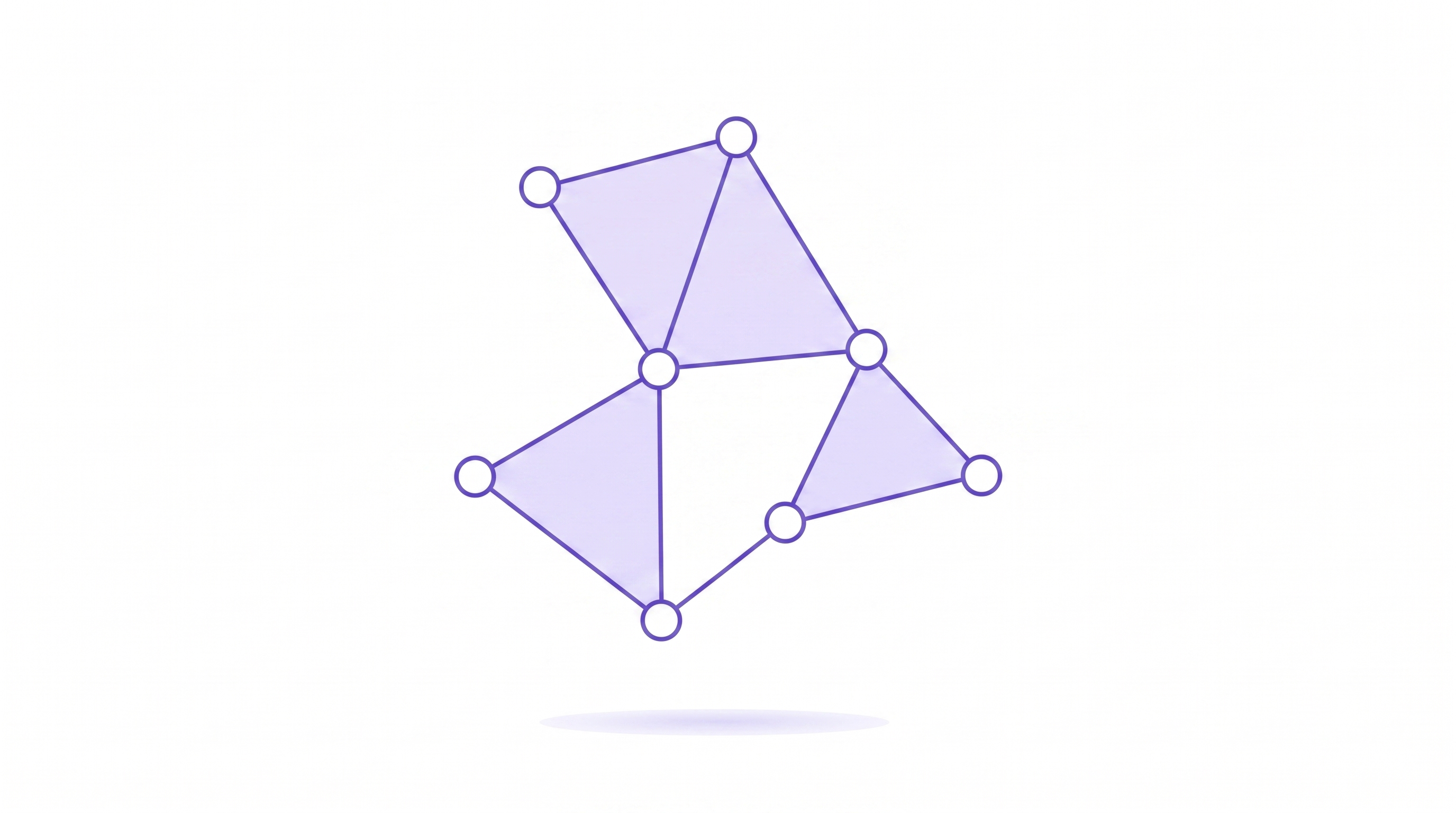
Hypergraphs, simplicial complexes, and topology
I use hypergraphs and simplicial complexes to model systems whose interactions are not reducible to pairs. This includes robustness, higher-order network geometry, topological dynamics, and the mathematical foundations of higher-order systems.
Related work: higher-order percolation on multiplex hypergraphs, topology shapes dynamics, and the higher-order interactions roadmap.
Epidemic spreading and message passing
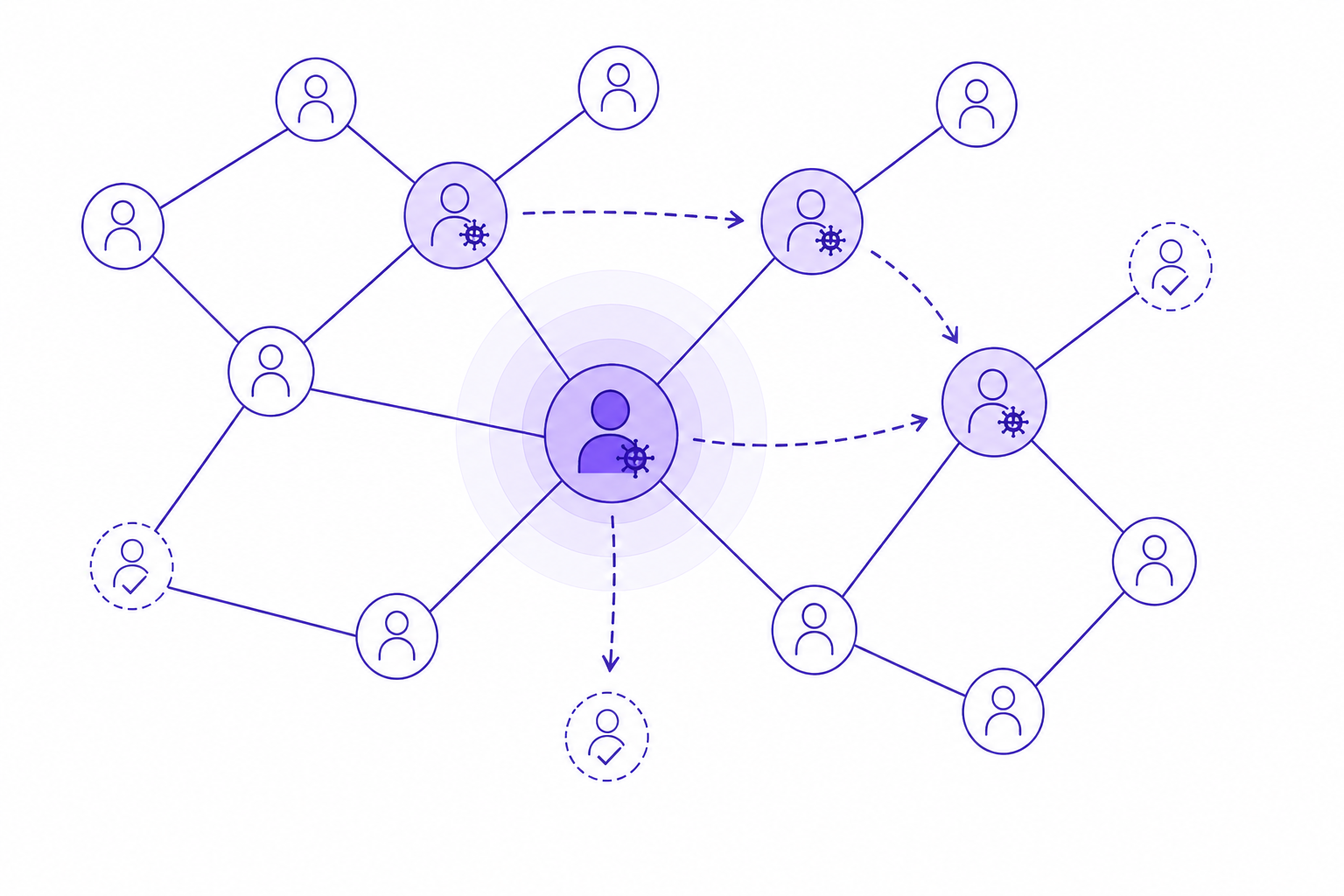
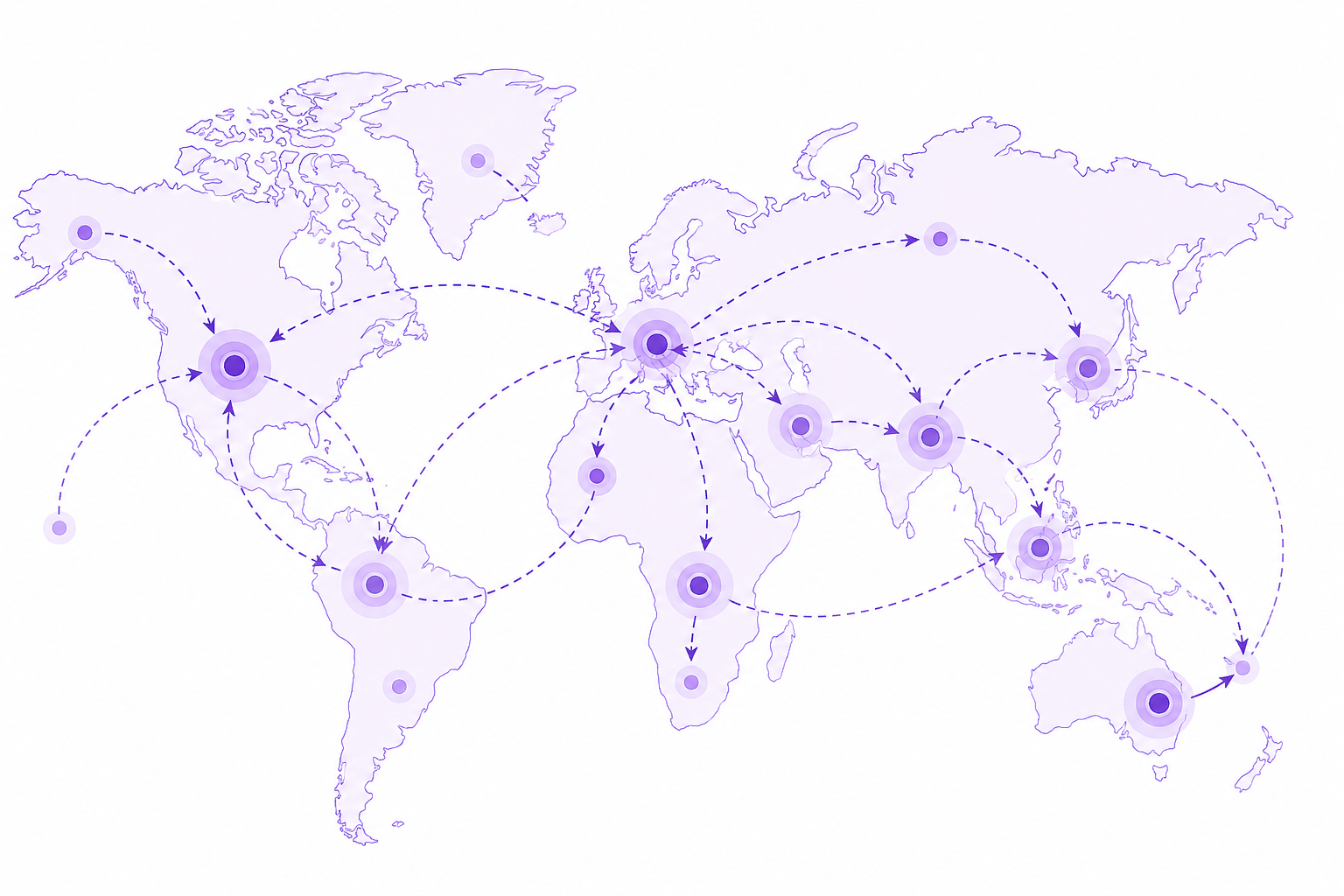
Message-passing methods provide tractable descriptions of spreading processes on networks. I have worked on epidemic tracing, containment, and interacting spreading processes, with applications ranging from mobile-app mitigation to competition and collaboration between contagions.
Related work: epidemic tracing with apps, time-dependent branching processes, and interacting spreading processes.
Statistical physics, inference, and quantum networks
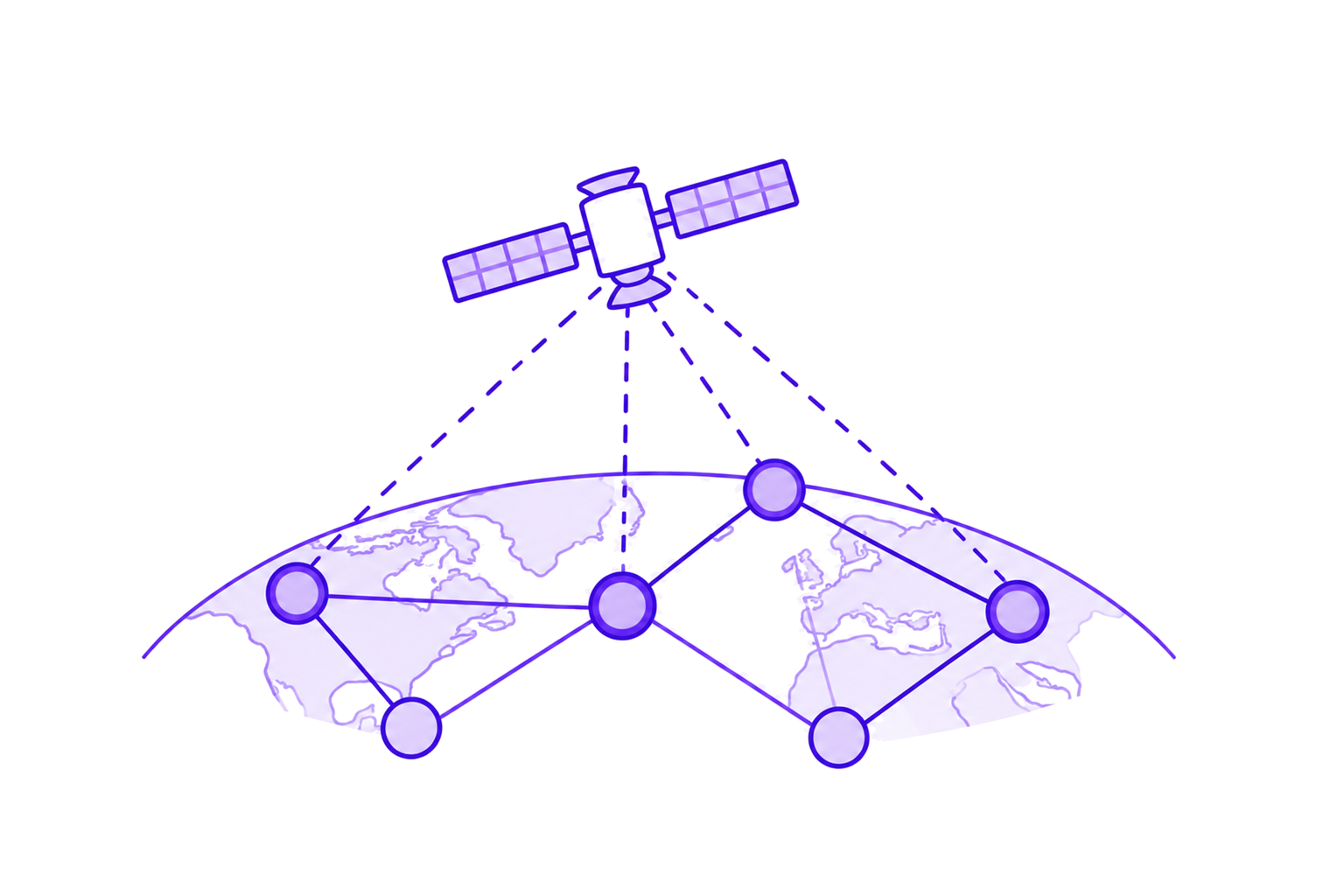
I am also interested in statistical-physics methods for networked systems, including Ising-like network states, non-parametric learning of critical behavior, and percolation-inspired questions in quantum networks.
Related work: network science Ising states, PCA entropy and intrinsic dimension, and nonshortest paths in quantum networks.